October 30, 2026
As wildland blazes grow more volatile and damaging across the country, proactive land management has transitioned from an optional safeguard into an urgent priority. Shifting weather patterns, dense fuel accumulations, and expanding residential developments along the wildland-urban interface present mounting threats to communities and property. Addressing these complex hazards requires far more than reactive suppression once smoke appears on the horizon. Professional wildfire mitigation services provide the scientific assessments and proactive landscape treatments necessary to suppress extreme fire behavior before disaster strikes.
Modern mitigation approaches evaluate ecological dynamics, vegetative fuels, and topography to reduce the catastrophic potential of unmanaged fires. Rather than treating every ignition as an unavoidable crisis, systematic management transforms vulnerable properties into fire-adapted landscapes that slow flame spread and reduce thermal energy. By dampening the catastrophic forces that drive rapid fire runs, comprehensive mitigation shields homes, civil infrastructure, and vital ecosystems from irreparable destruction.
Analyze the Science of Fire Dynamics
Understanding fire behavior requires examining how weather, terrain, and plant matter interact during an ignition event. Scientific modeling tools simulate flame length, rate of spread, and heat release across diverse topographies, allowing specialists to predict how blazes react to changing slopes or shifts in atmospheric humidity. Steep slopes accelerate preheating in upward vegetation, transforming minor brush fires into uncontrollable crown blazes. By analyzing these complex terrain and climate relationships, wildfire mitigation services can pinpoint vulnerable corridors and implement interventions that disrupt potential fire pathways before extreme weather arrives.
Every landscape possesses critical ecological thresholds beyond which wildfire intensity overwhelms standard suppression tactics. Once flame lengths surpass dangerous heights and radiant heat levels spike, ground crews can no longer safely engage the perimeter directly. Mitigation specialists examine historical fire return intervals, local fuel moisture trends, and species composition to keep vegetative loads beneath these catastrophic thresholds. When applied properly, these scientific interventions limit heat output and preserve the ability of emergency responders to defend assets effectively.
Apply Essential Field Practices and Planning
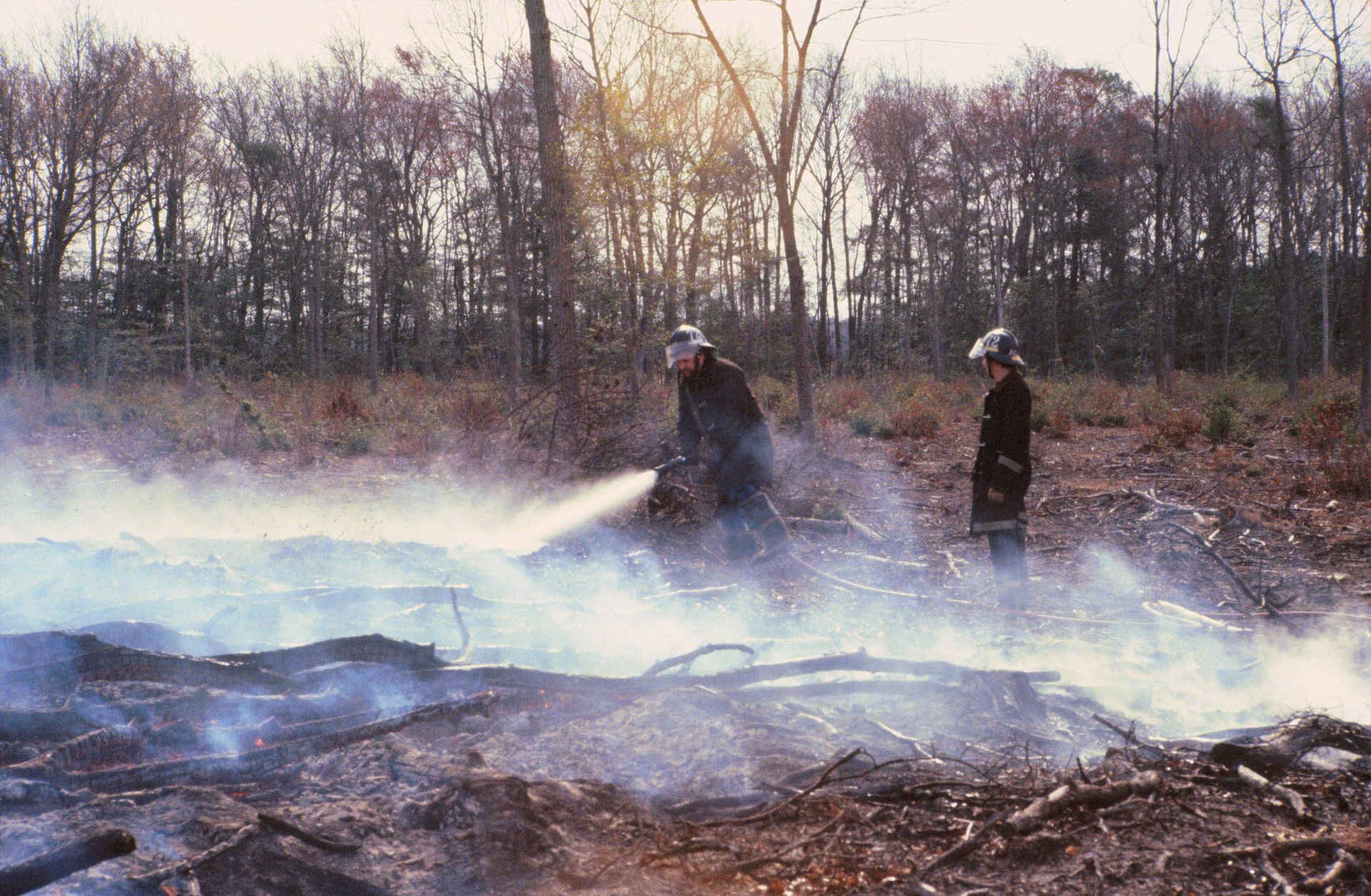
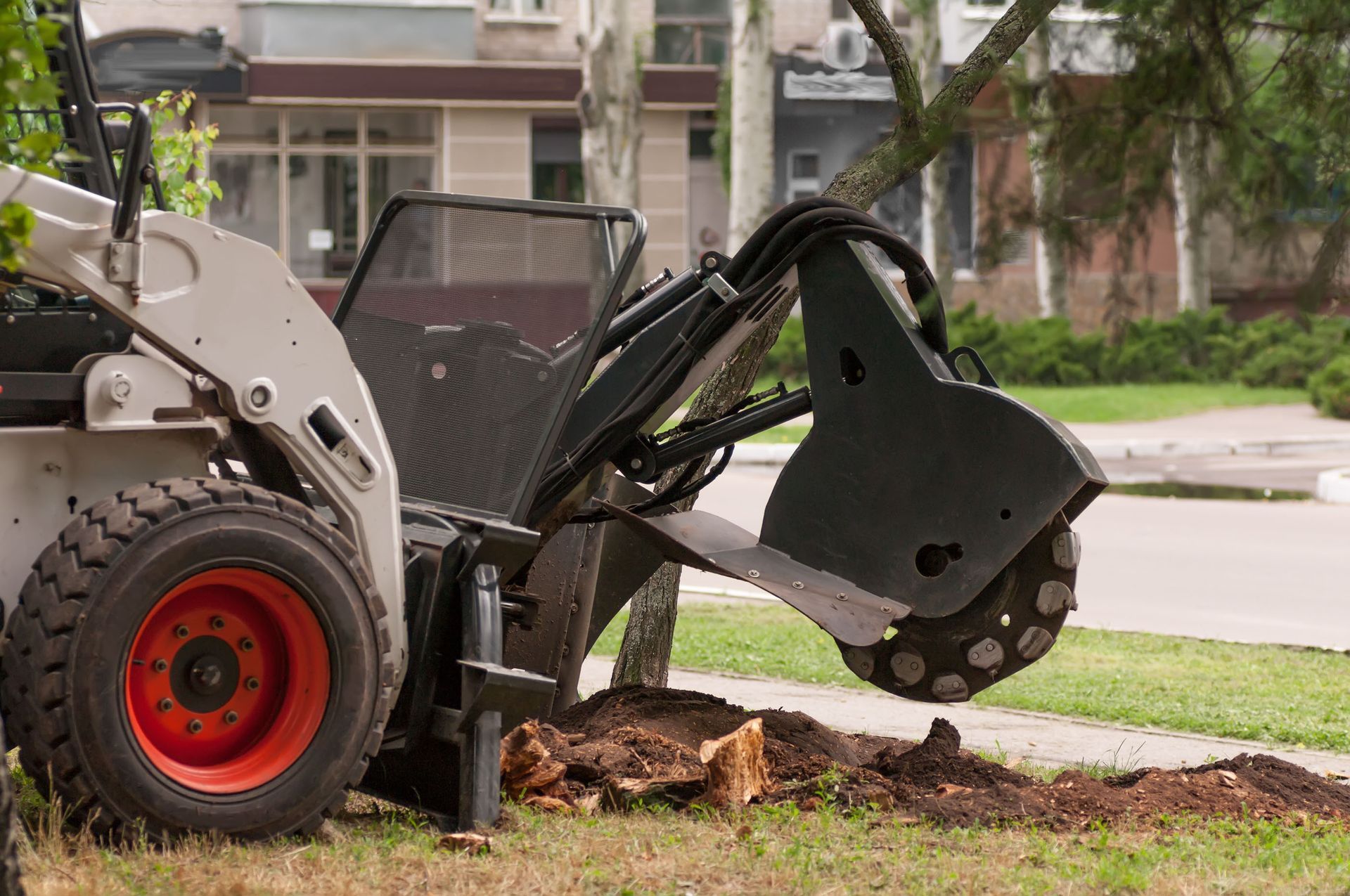
Proactive fuel management stands at the center of practical hazard reduction, targeting the continuity and volume of flammable vegetation. Crews create defensible space through strategic tree thinning, lower-branch pruning, and deadwood clearing to disrupt continuous fuel beds. Prescribed broadcast burns and mastication treatments remove hazardous ground debris while returning organic matter to the soil. These coordinated wildfire mitigation services establish robust fuel breaks that restrict surface fires from climbing into forest canopies, ensuring any blaze encountering the treated corridor loses intensity rapidly.
Community readiness and structural defense reinforce mechanical vegetation treatments. Property owners can implement home-hardening measures, including noncombustible exterior materials, ember-resistant attic vents, and clear zones around buildings. Education plays a foundational role in changing habits, as human activity triggers the majority of ignitions in wildland zones. According to the NFPA, deliberate acts account for roughly 20% of human-ignited blazes, whereas the overwhelming majority stem from unintended mishaps like improperly discarded coals, smoking materials, or stray embers. Combining residential awareness with coordinated evacuation routes forms an integrated defense network that protects human life.
Review Global Models of Fire Resilience
Communities across fire-prone regions around the world offer compelling evidence regarding the success of deliberate landscape stewardship. In fire-prone regions of California, targeted fuel modifications and collaborative community action plans have saved neighborhoods during sweeping conflagrations. Properties surrounded by well-maintained defensible buffers regularly survive radiant heat exposure and ember storms that consume adjacent unmanaged parcels. These localized successes demonstrate that pre-fire landscape preparation directly influences structural survival during major emergency events.
International approaches highlight the power of integrating traditional ecological knowledge with forward-thinking land planning. In Australia, land managers utilize mosaic burning techniques inspired by indigenous methods, burning small patches at low intensities to break up fuel continuity across vast bushland tracts. Similarly, Mediterranean and Canadian forest initiatives emphasize interagency cooperation, blending cultural burning with modern geographic information systems. Embracing wildfire mitigation services that respect ecological context enables communities worldwide to construct landscapes capable of withstanding severe fire cycles without widespread economic collapse.
Maximize Long-Term Economic and Ecological Benefits
Investing in landscape defense yields massive economic dividends by preventing property destruction and reducing municipal emergency recovery expenditures. Uncontrolled blazes devastate power grids, destroy water distribution systems, and decimate local tax bases through prolonged rebuilding periods. In contrast, property owners and civic bodies utilizing wildfire mitigation services protect valuable commercial assets and retain insurable status in high-hazard zones. Insurers increasingly recognize risk reduction efforts, rewarding proactive property modifications with stable coverage and manageable rates that support regional economic security.
Beyond immediate financial protections, comprehensive fuel management fosters healthier, more resilient natural environments over time. Dense, overgrown forests harbor parasitic pests, suffer drought stress, and burn with lethal intensity that sterilizes native seed banks and causes catastrophic soil erosion. Strategic thinning and controlled burns restore historic canopy spacing, opening forest floors to native grasses, wildflowers, and wildlife. Reducing uncharacteristic fire severity safeguards critical watersheds from post-fire sedimentation, preserving biodiversity and ensuring forests continue to serve as stable carbon sinks.
Deploy Advanced Technologies for Landscape Monitoring
Modern technological innovations have revolutionized how land managers evaluate hazards and track fire progression across complex terrains. Satellite remote sensing platforms and thermal imaging instruments provide real-time updates regarding vegetation dry-out, soil moisture deficits, and early ignition signatures. Unmanned aerial vehicles survey remote ridges, capturing detailed topography data and identifying hazardous fuel buildups that ground inspectors cannot easily access. These spatial technologies allow managers to detect vulnerabilities early and plan precision interventions that neutralize hazards across expansive tracts.
Advanced predictive software platforms synthesize atmospheric conditions, historical fire data, and vegetative moisture metrics to generate dynamic behavior forecasts. Incident commanders and land managers use these algorithms to deploy equipment strategically long before ignitions occur. Robust crisis communication systems simultaneously distribute emergency warnings to residents, keeping evacuation corridors clear and organized. By incorporating predictive modeling into wildfire mitigation services, teams transform reactive emergency response into a planned, anticipatory operational framework that dramatically reduces civilian danger.
Overcome Practical Barriers to Mitigation Delivery
Implementing comprehensive treatments often meets logistical hurdles, including regulatory delays, complex permitting, and upfront funding constraints. Navigating environmental compliance across overlapping state, federal, and municipal jurisdictions requires sustained coordination and dedicated administrative effort. Collaborative public-private partnerships and regional grant opportunities help communities bridge budgetary divides and fund essential treatments. Addressing regulatory barriers early ensures fuels treatments proceed smoothly, establishing broad protection before dangerous seasonal weather windows arrive.
Public skepticism presents another obstacle, as neighborhood residents sometimes express hesitation regarding tree removal or the smoke generated by prescribed fires. Overcoming these concerns requires active transparency, educational outreach, and clear demonstrations of the ecological necessity behind fuels management. When citizens understand how controlled low-intensity treatments prevent catastrophic crown fires, resistance shifts toward enthusiastic civic support. Engaging certified wildfire mitigation services ensures that all operations adhere to strict safety protocols, building community confidence while reducing fire intensity across shared boundaries.
Investing in proactive landscape defense represents an indispensable strategy for safeguarding lives, properties, and precious open spaces from devastating natural hazards. Leaving landscapes to grow untended invites extreme crown blazes that endanger lives, ruin local economies, and degrade natural ecosystems. Thoughtful mitigation actions, from defensible space creation to targeted ecological burning, reduce flame lengths and suppress explosive fire spread, transforming terrifying disasters into manageable incidents.
Protecting our neighborhoods, properties, and wildlands demands immediate, coordinated action rather than passive hope. Through shared dedication and proven land treatments, our communities can thrive safely alongside fire-dependent landscapes. We invite you to join us in protecting our shared environment, so let our team at Ridgeline Forestry assist you in designing a comprehensive wildfire defense plan today.